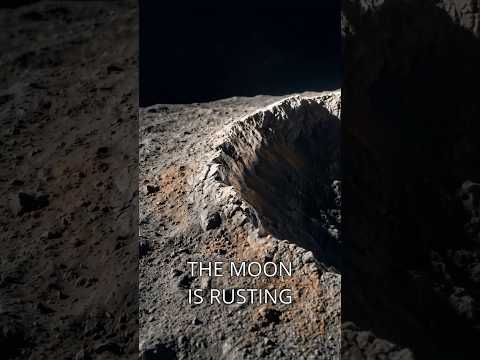
Moon
Apr 28, 2026
Why the Moon Is Literally Turning Red in Places
Scientists found rust on the Moon—hematite—where it shouldn’t exist. Here’s how Earth’s oxygen, tiny lunar water, and space weather slowly paint parts of the Moon red.
Deep Dives
Each article expands a video into a clearer, deeper space-science story.
Scientists found rust on the Moon—hematite—where it shouldn’t exist. Here’s how Earth’s oxygen, tiny lunar water, and space weather slowly paint parts of the Moon red.
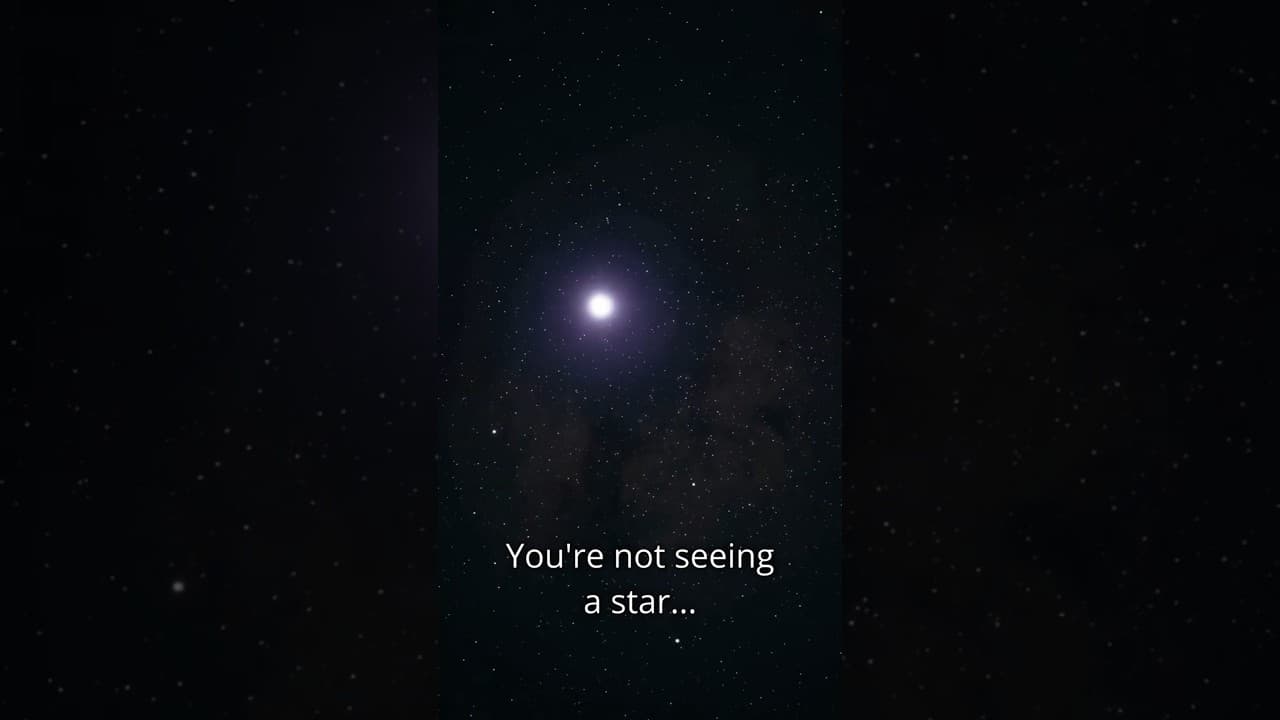
TON 618: a quasar so bright it’s powered by a feeding supermassive black hole.

Ice ages are guided by orbital rhythms called Milankovitch cycles: changes in tilt, wobble, and orbital shape that redistribute sunlight across the planet. Those cycle...
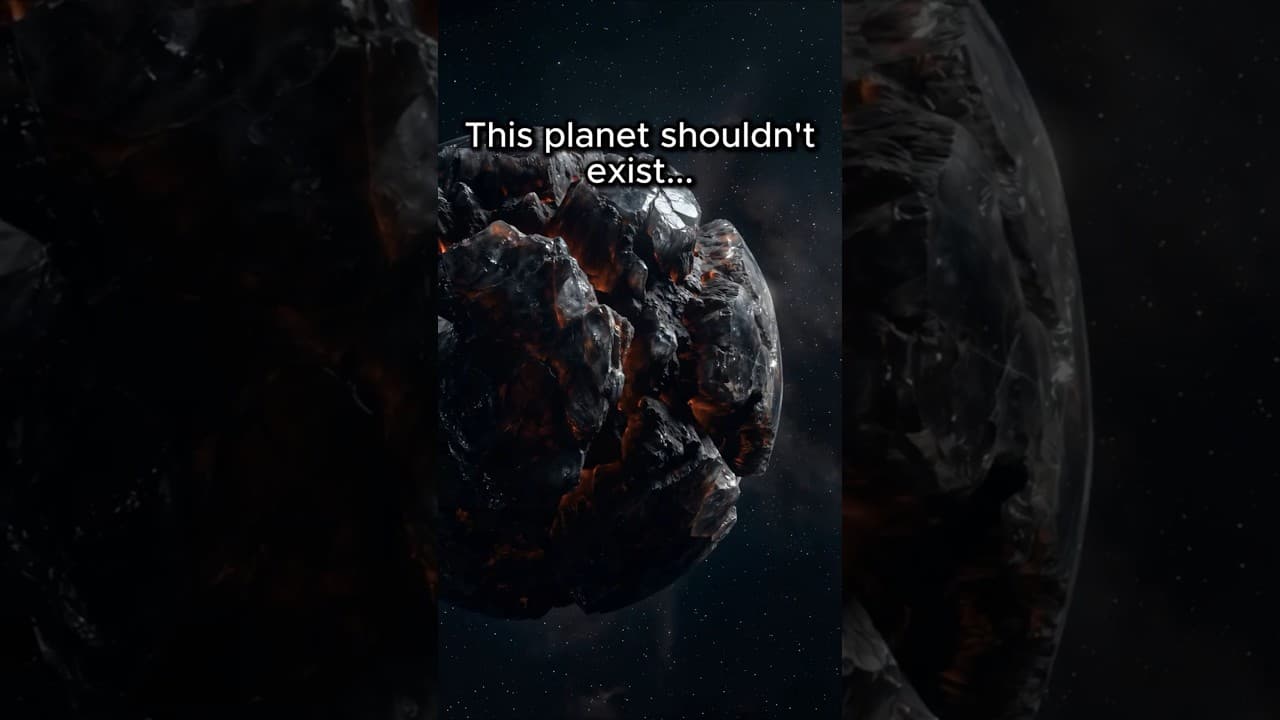
A so-called diamond planet is not a polished jewel in space. It is a world with enough carbon and pressure that diamond-like material could exist deep inside. These pl...
We’re going back… but not how you think. Not to plant a flag. Not to touch the dust. ## A Moon Mission That Refuses to Land Artemis II is NASA’s first crewed flight of...
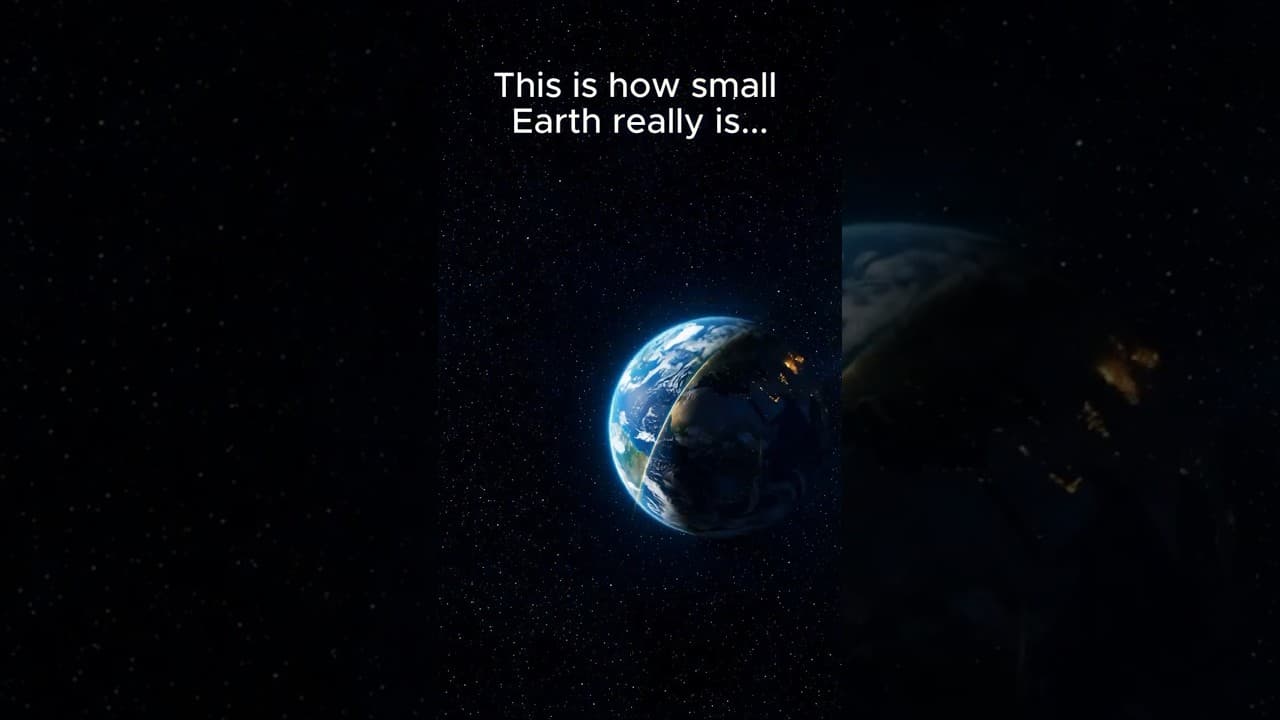
Earth feels enormous—until it’s placed beside the Sun. A cinematic, beginner-friendly deep dive into the shocking scale, mass, and emptiness of our Solar System.
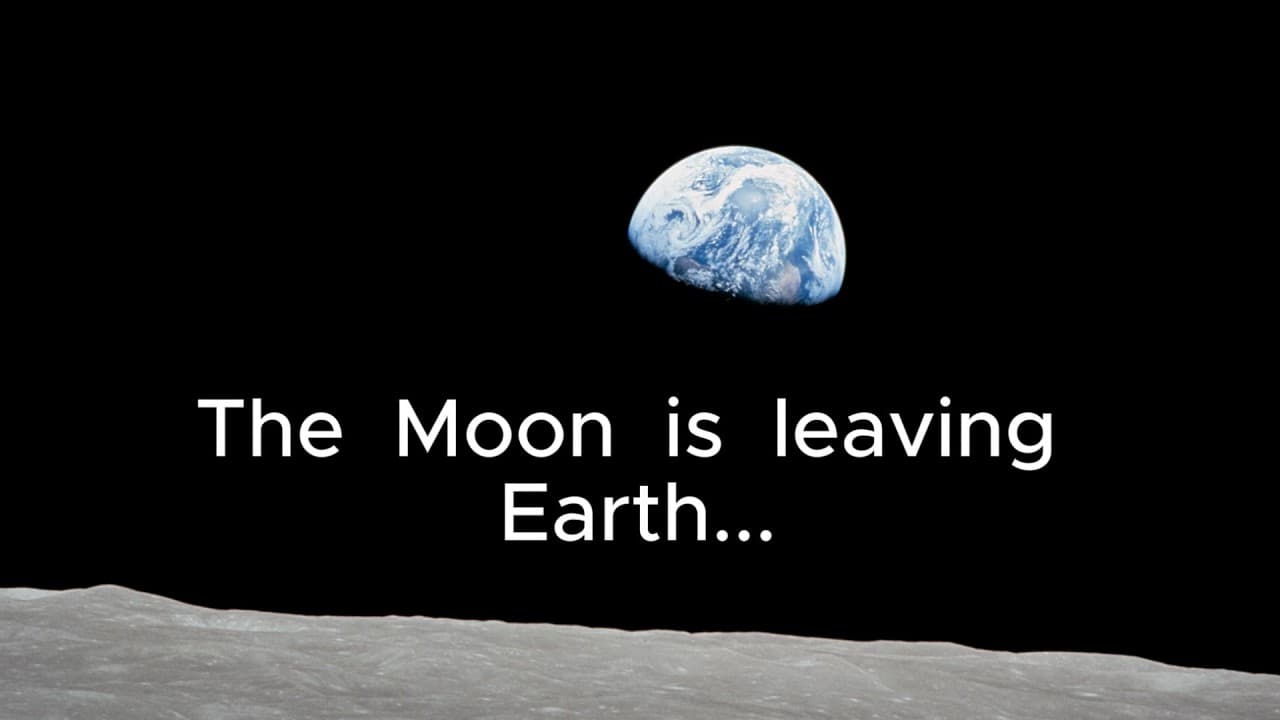
The Moon drifts away from Earth by about 3.8 cm a year. It sounds tiny—until you see how it reshapes tides, lengthens our days, and quietly protects Earth’s climate across deep time.