Why this feels bigger than it looks
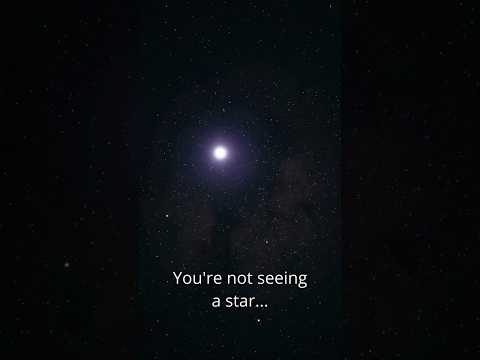
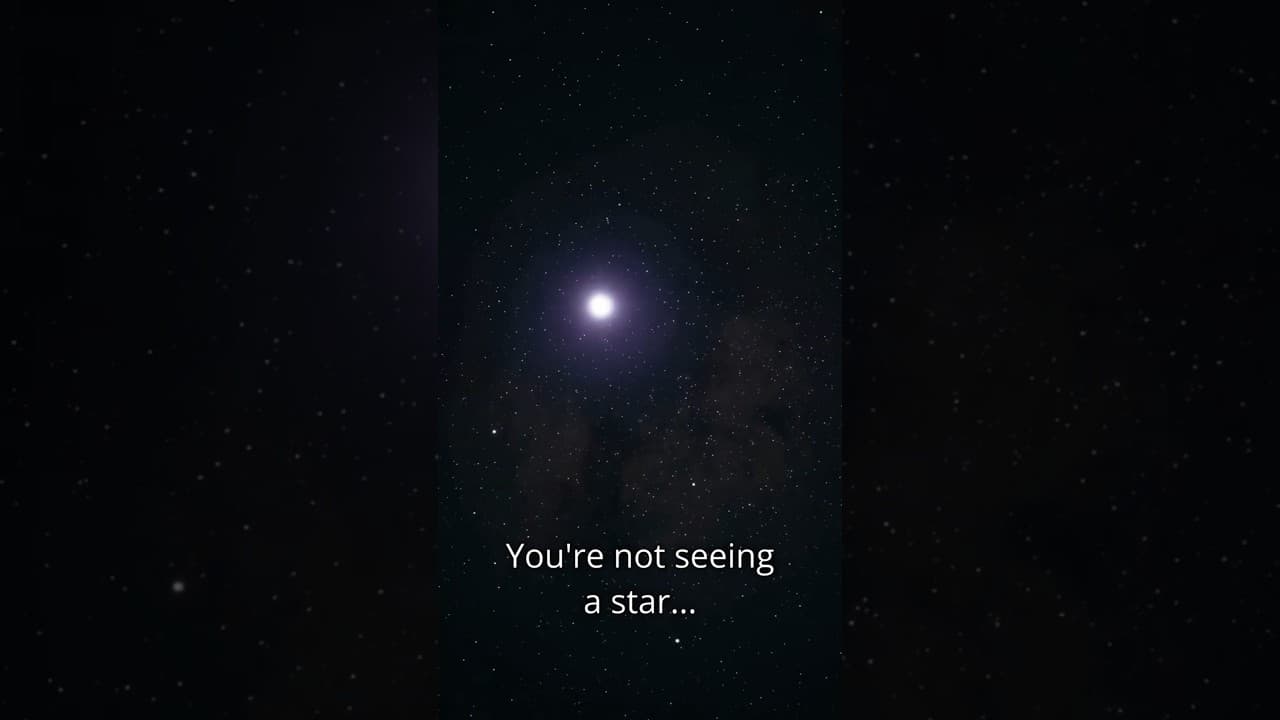
TON 618 is a distant quasar powered by a supermassive black hole accreting matter, turning gravity into light with brutal efficiency. We don’t image the black hole itself at that distance—instead, we measure its mass indirectly from the quasar’s spectrum and the motion of gas in its broad-line region. Its extreme brightness is the signature of an actively feeding black hole, where an accretion disk and jets can dominate an entire galaxy’s output. TON 618 also sits in a key era of cosmic history, giving clues about how supermassive black holes grew so large relatively early in the universe.
The simple version
- TON 618 is a quasar: an extremely luminous active galactic nucleus powered by a supermassive black hole.
- It is one of the most massive black holes known
- with estimates on the order of ~tens of billions of solar masses (often cited around ~66 billion).
- The light we see from TON 618 has traveled for billions of years
- so we observe it as it existed in the distant past.
- A quasar’s brightness comes from an accretion disk—superheated gas spiraling inward—not from the black hole itself.
Questions viewers may still have
Is TON 618 the biggest black hole ever found?
Answer this simply, with a cinematic but accurate explanation.
How do scientists estimate TON 618’s mass if we can’t see the black hole?
Answer this simply, with a cinematic but accurate explanation.
What’s the difference between a quasar and a black hole?
Answer this simply, with a cinematic but accurate explanation.
How far away is TON 618 and how old is the light we’re seeing?
Answer this simply, with a cinematic but accurate explanation.