Moon
Apr 28, 2026
Why the Moon Is Literally Turning Red in Places
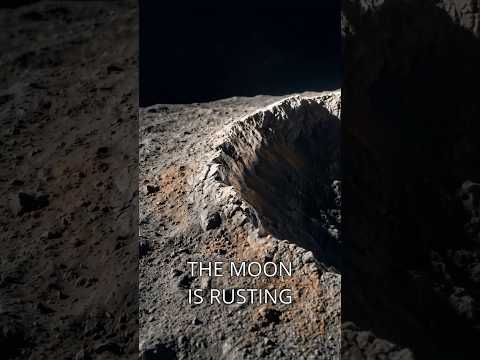
Scientists found rust on the Moon—hematite—where it shouldn’t exist. Here’s how Earth’s oxygen, tiny lunar water, and space weather slowly paint parts of the Moon red.
Topic Hub
Filter videos and articles by topic, format, and search signal.
Scientists found rust on the Moon—hematite—where it shouldn’t exist. Here’s how Earth’s oxygen, tiny lunar water, and space weather slowly paint parts of the Moon red.
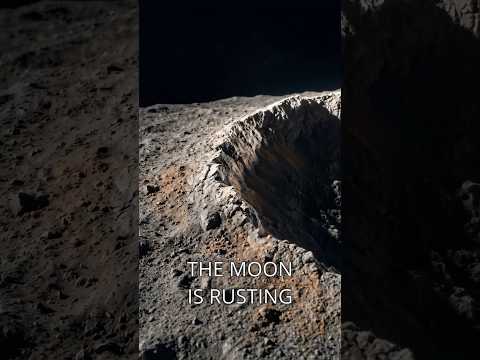
Rust on the Moon shouldn’t exist… so why is it there?
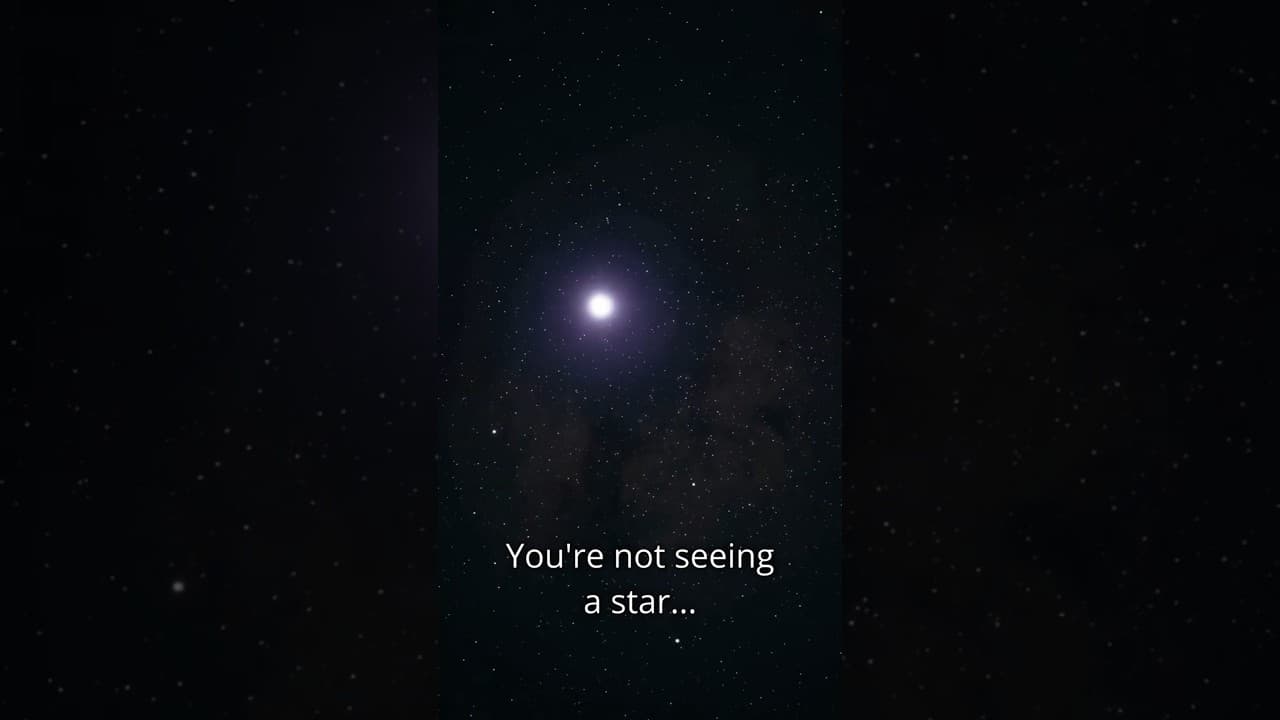
TON 618: a quasar so bright it’s powered by a feeding supermassive black hole.
TON 618: a quasar so bright it’s powered by a feeding supermassive black hole.
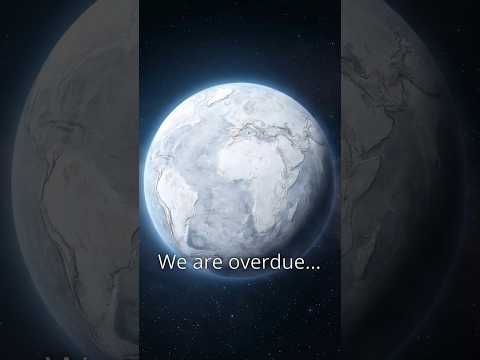
A final short-form mystery from the edge of the known universe.
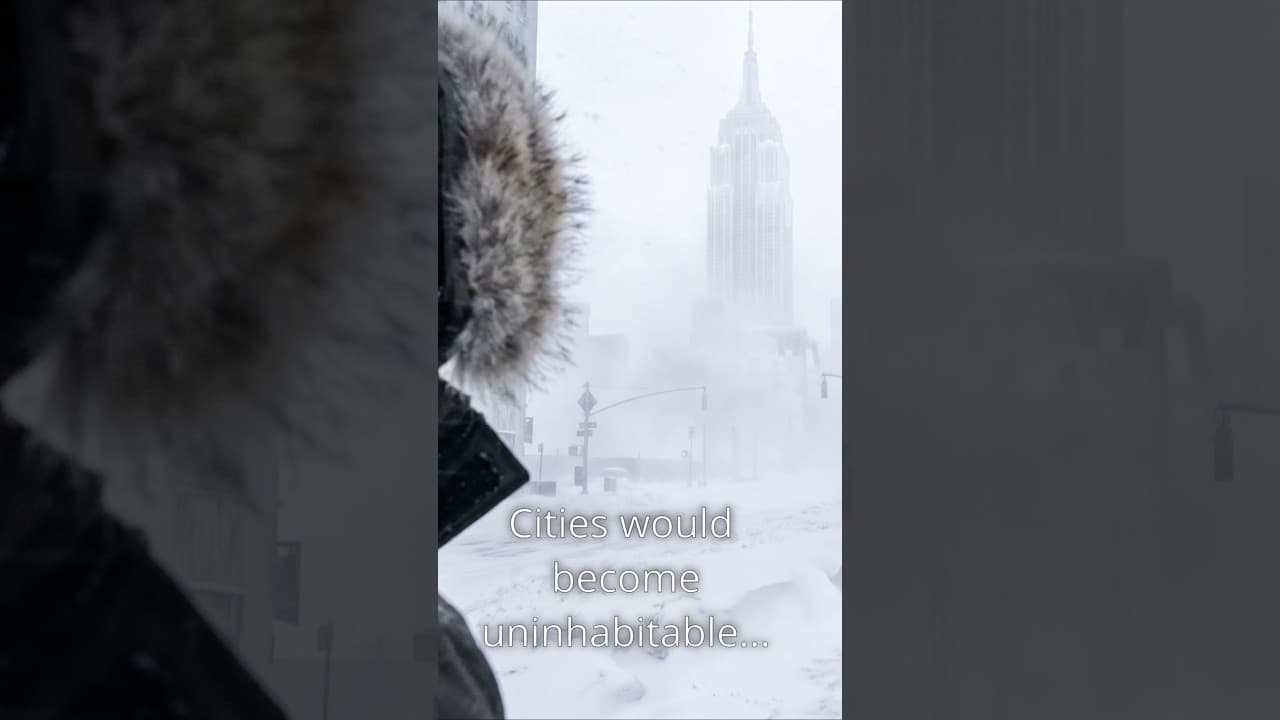
Ice ages are guided by orbital rhythms called Milankovitch cycles: changes in tilt, wobble, and orbital shape that redistribute sunlight across the planet. Those cycle...

A quick orbital perspective on the planet beneath us.
A short mystery about the limits of current science.

A long-form journey into ancient light, cosmic scale, and the unknown.
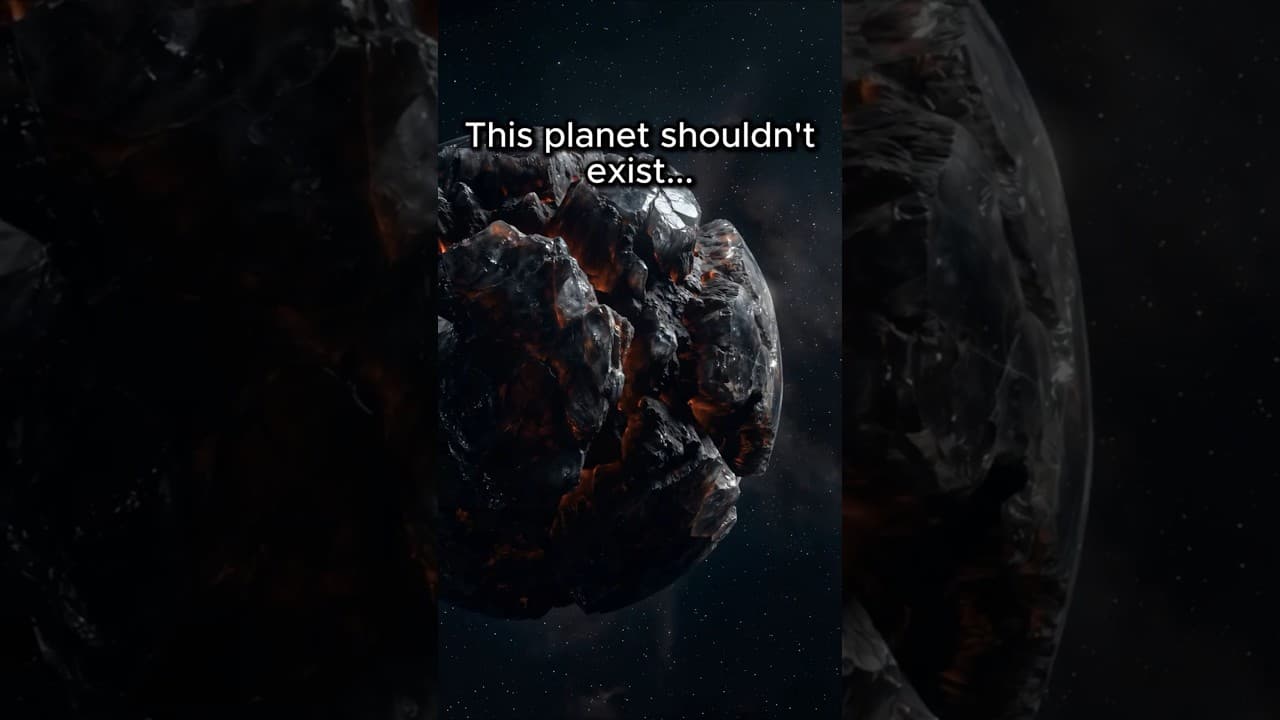
A so-called diamond planet is not a polished jewel in space. It is a world with enough carbon and pressure that diamond-like material could exist deep inside. These pl...
A planetary science short about strange worlds and pressure.
A short look at the distant future of our star.
A fast explanation of orbital cycles and Earth's climate rhythm.
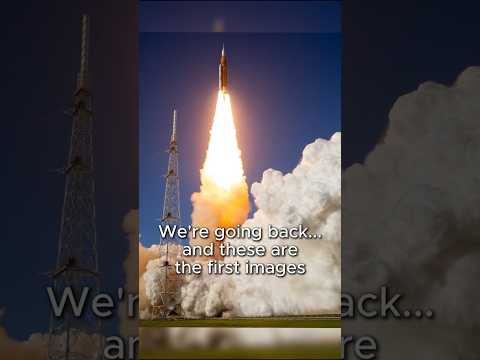
We’re going back… but not how you think. Not to plant a flag. Not to touch the dust. ## A Moon Mission That Refuses to Land Artemis II is NASA’s first crewed flight of...
A short lunar fact about Earth's closest companion.
A mystery short from the edge of what we can explain.
A short cosmic puzzle about stars that test our timeline.
A quick story about carbon-rich worlds and diamond interiors.
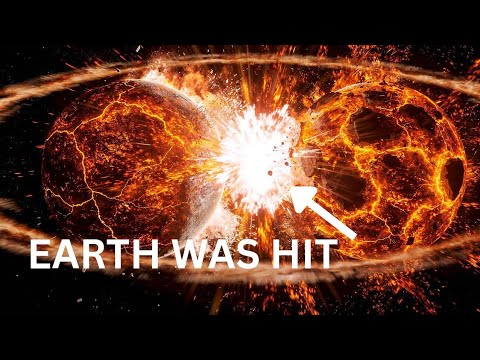
A deeper look at the forces shaping Earth from orbit, climate, and space.
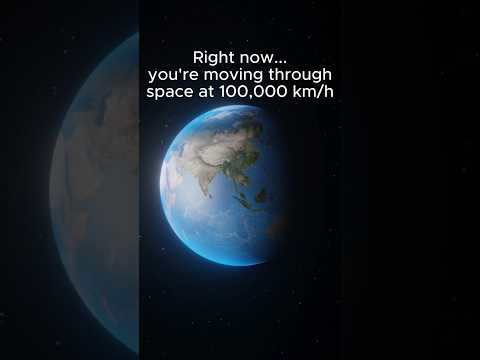
A fast breakdown of the Sun's explosive weather.
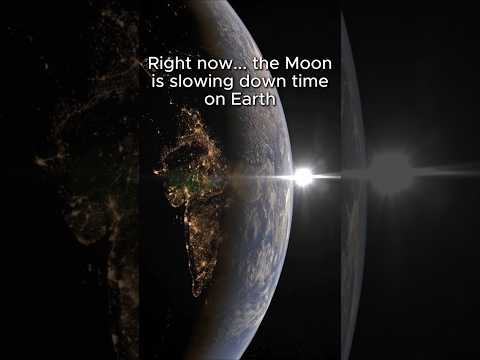
A short orbital fact about how tiny changes can shape climate.
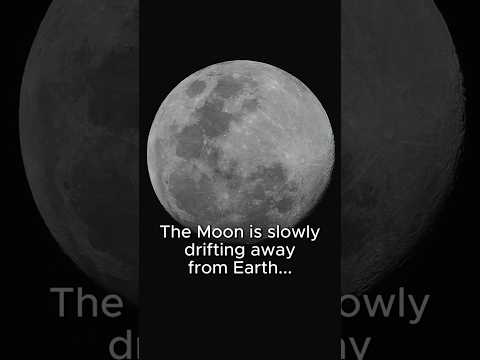
A quick lunar science story about the Moon's strange surface.
A mystery-led short about signals, anomalies, and cosmic uncertainty.
A short look at the oldest light crossing the universe.
A strange-world short about planets that challenge expectation.
A fast solar fact about the star that powers every world we know.
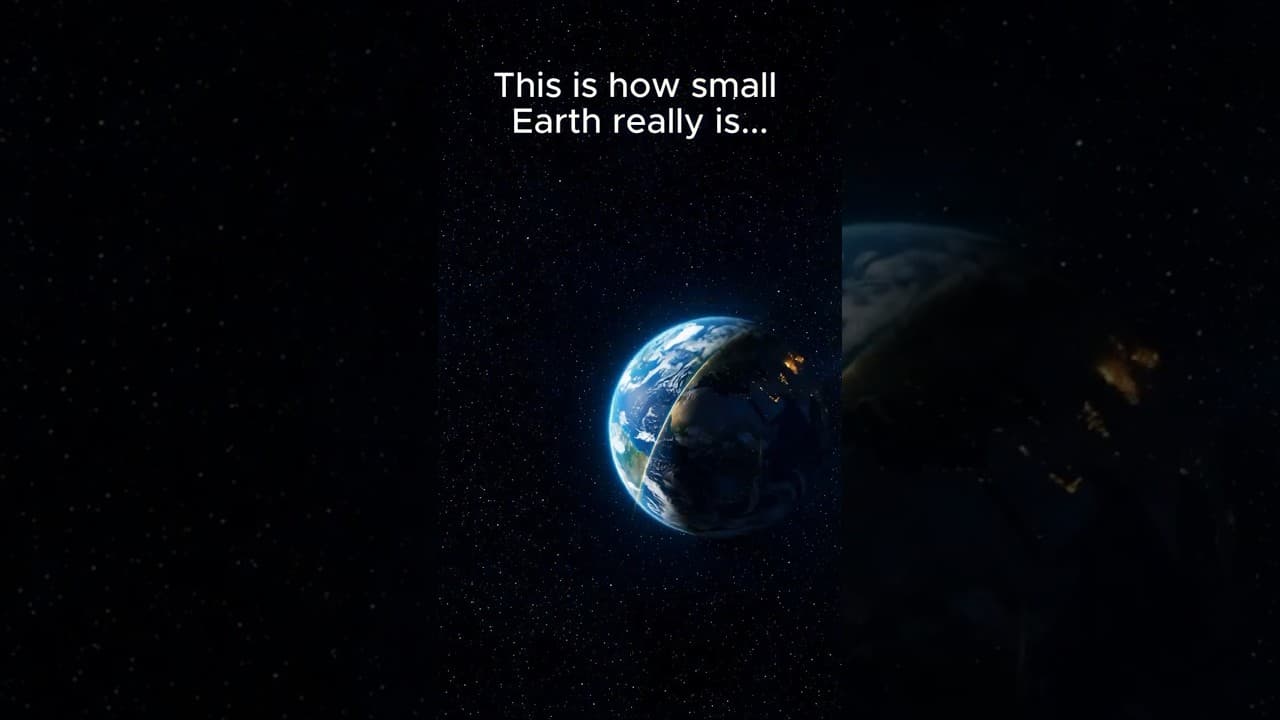
Earth feels enormous—until it’s placed beside the Sun. A cinematic, beginner-friendly deep dive into the shocking scale, mass, and emptiness of our Solar System.
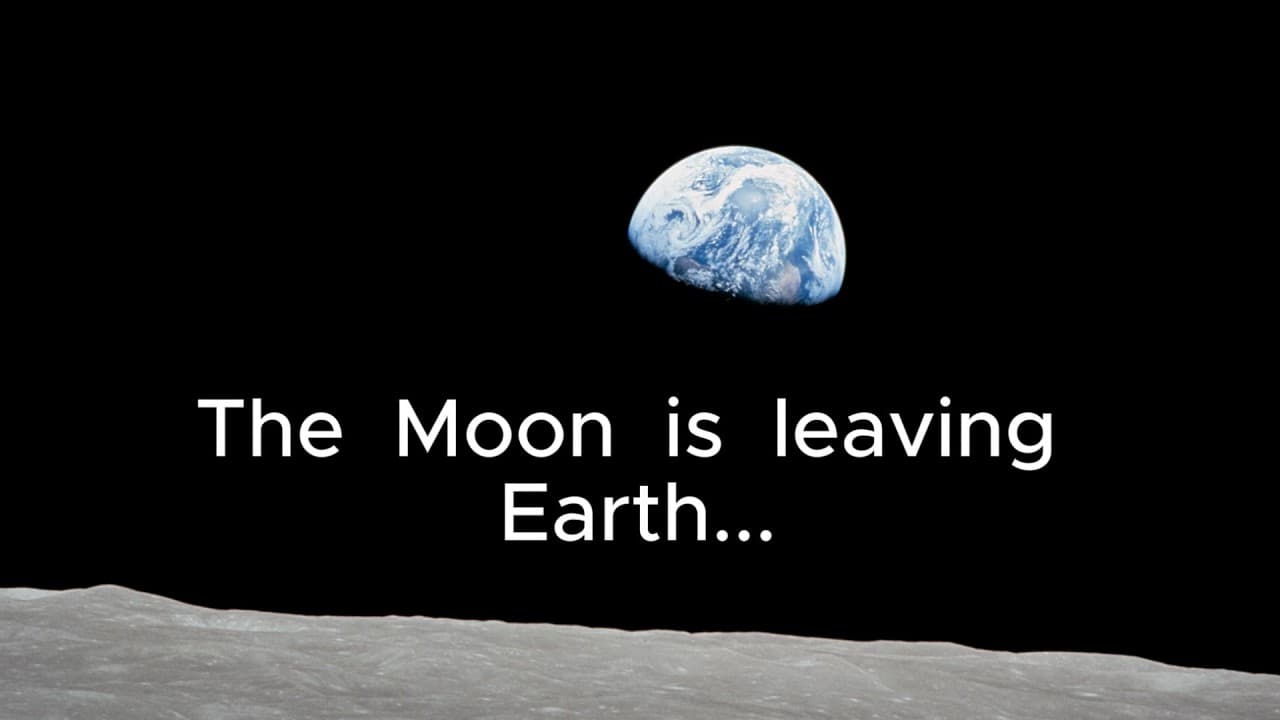
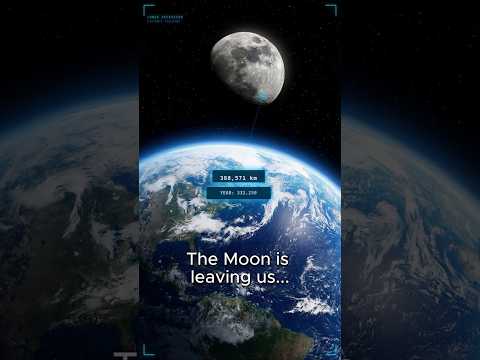
The Moon drifts away from Earth by about 3.8 cm a year. It sounds tiny—until you see how it reshapes tides, lengthens our days, and quietly protects Earth’s climate across deep time.
The Moon is slowly moving away from Earth — about 3.8 cm every year. It doesn’t sound like much, but over millions of years, it changes everything. The Moon controls our tides, stabilises Earth’s tilt, and helps regulate our climate. Without it, our planet would be a very different place. So what happens as it drifts further away? And what would Earth look like without the Moon at all?
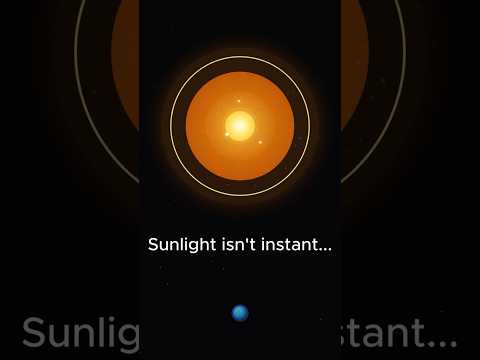
Earth feels massive when you're standing on it… But next to the Sun, it’s barely a speck. The Sun contains 99.8% of all the mass in our Solar System — and you could fit over a million Earths inside it. This is what scale in space really looks like.
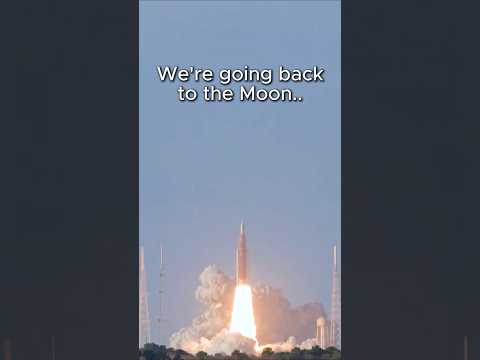
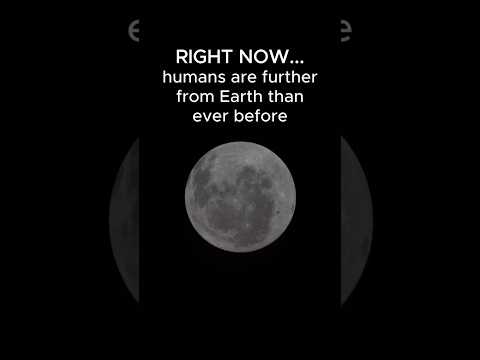
Artemis II will send astronauts around the Moon for the first time in over 50 years — but they won’t land. This mission is a critical test before humans return to the lunar surface, pushing deep-space travel systems further than they’ve gone in decades. It’s not about stepping onto the Moon yet… It’s about proving we can get there safely again.