Moon
Apr 28, 2026
Why the Moon Is Literally Turning Red in Places
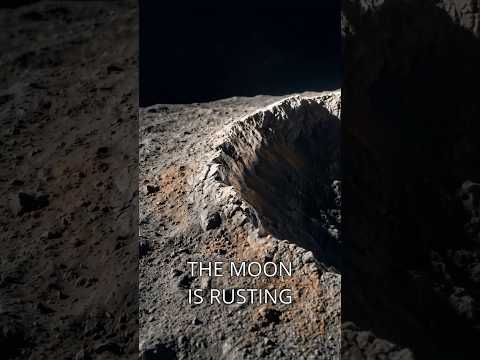
Scientists found rust on the Moon—hematite—where it shouldn’t exist. Here’s how Earth’s oxygen, tiny lunar water, and space weather slowly paint parts of the Moon red.
Topic Hub
Filter videos and articles by topic, format, and search signal.
Scientists found rust on the Moon—hematite—where it shouldn’t exist. Here’s how Earth’s oxygen, tiny lunar water, and space weather slowly paint parts of the Moon red.
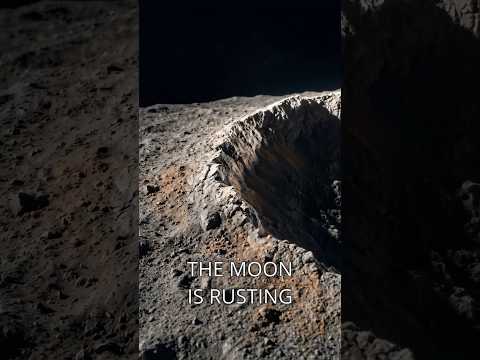
Rust on the Moon shouldn’t exist… so why is it there?
We’re going back… but not how you think. Not to plant a flag. Not to touch the dust. ## A Moon Mission That Refuses to Land Artemis II is NASA’s first crewed flight of...
A short lunar fact about Earth's closest companion.
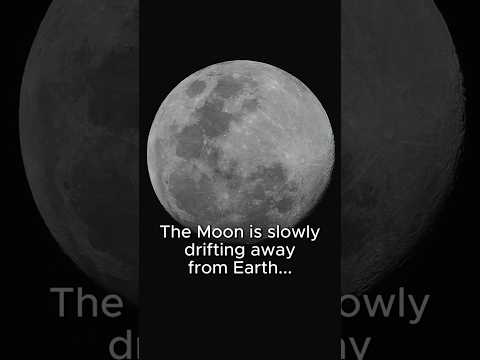
A quick lunar science story about the Moon's strange surface.
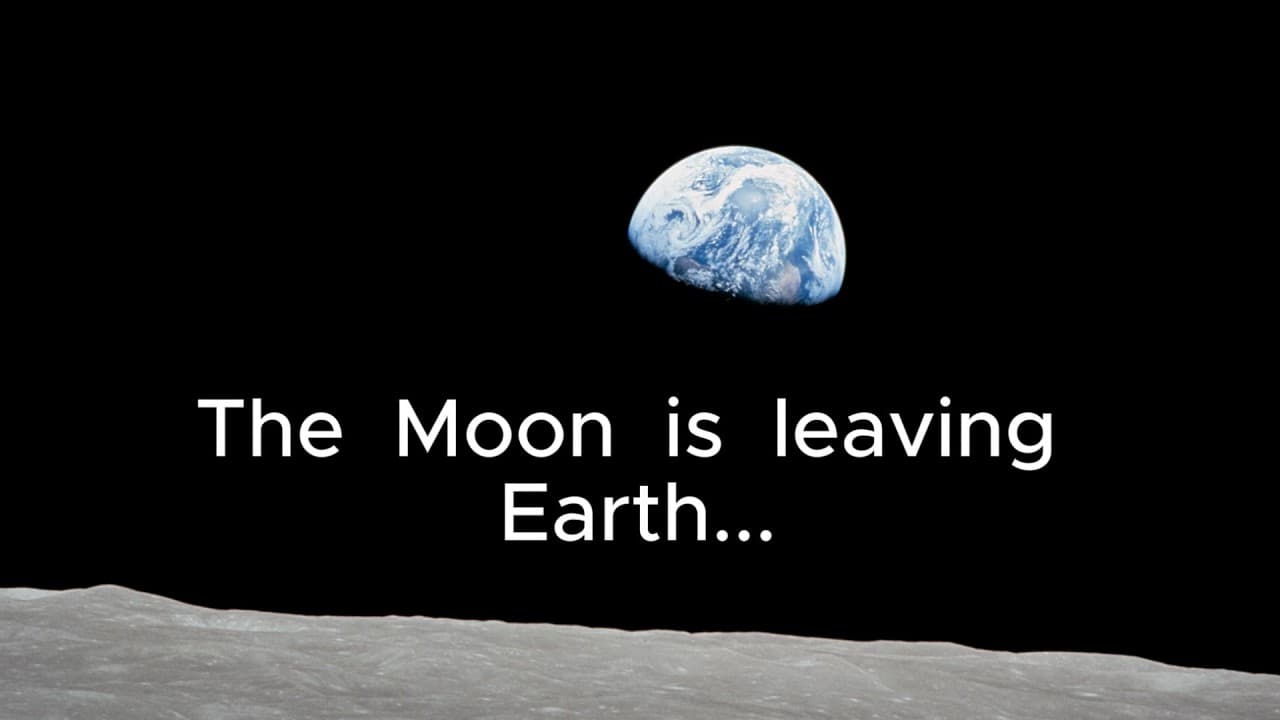
The Moon drifts away from Earth by about 3.8 cm a year. It sounds tiny—until you see how it reshapes tides, lengthens our days, and quietly protects Earth’s climate across deep time.
The Moon is slowly moving away from Earth — about 3.8 cm every year. It doesn’t sound like much, but over millions of years, it changes everything. The Moon controls our tides, stabilises Earth’s tilt, and helps regulate our climate. Without it, our planet would be a very different place. So what happens as it drifts further away? And what would Earth look like without the Moon at all?
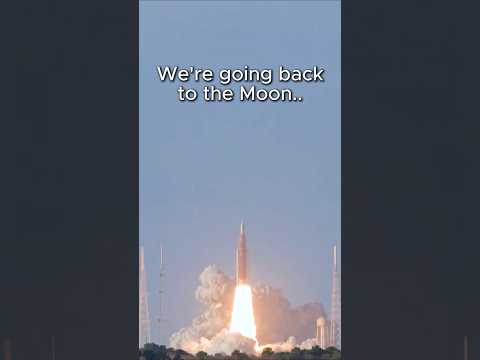
Artemis II will send astronauts around the Moon for the first time in over 50 years — but they won’t land. This mission is a critical test before humans return to the lunar surface, pushing deep-space travel systems further than they’ve gone in decades. It’s not about stepping onto the Moon yet… It’s about proving we can get there safely again.